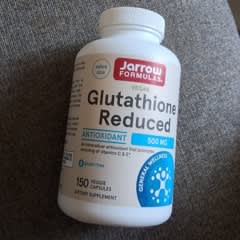
Its levels drop dramatically when the toxic load is large Detoxifies many xenobiotics Chelator of lead, mercury, cadmium, and arsenic Prevents neuropathy from chemotherapy Maintains reduced state of other antioxidants: vitamin C & E Supports numerous metabolic and biochemical reactions: DNA synthesis and repair Protein synthesis Prostaglandin synthesis Amino acid transportation Enzyme activation Glutathione is a powerful antioxidant made in the bodys cells, using amino acids: glutamine, glycine, and cysteine
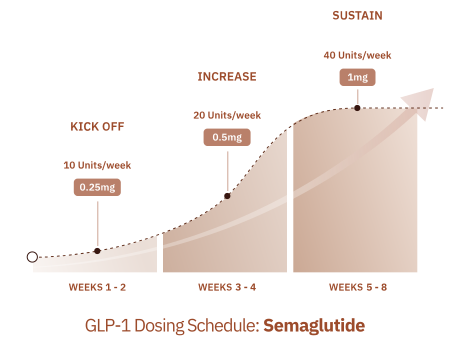
The recommended dosage varies based on treatment goals and individual needs
Foods high in Vitamin C, like citrus fruits and berries, support visible collagen production
These mechanisms are driving each other in a continuous feedback loopand addressing any one of them in isolation, while ignoring the others, produces limited results
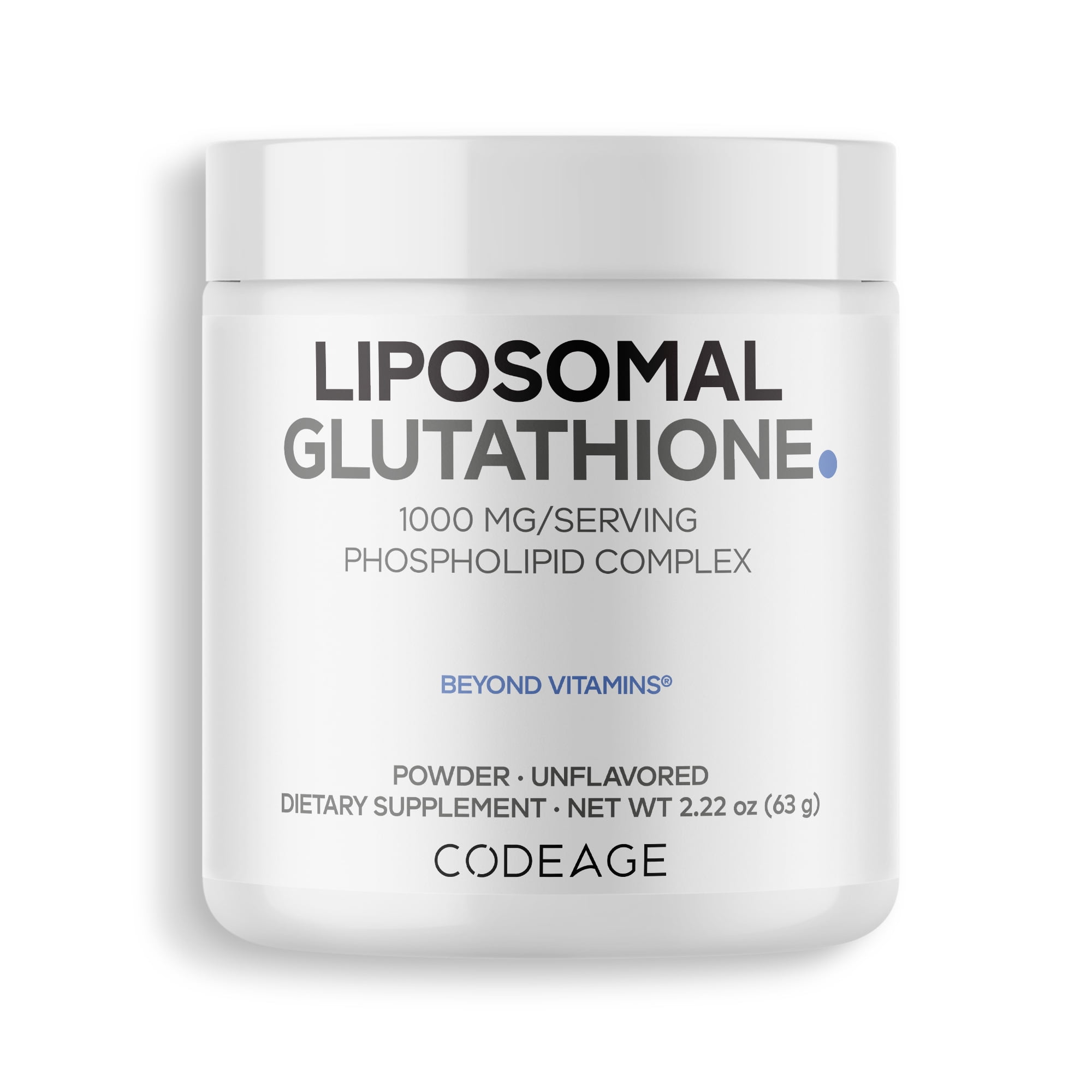
Liposomal Glutathione Liposomal glutathione involves encapsulating the glutathione in tiny fat particles called liposomes
This is a chemistry reason to separate them, not just a marketing rule